Direct answer
Send what the buyer needs for the first review
A museum-shop buyer needs enough information to judge the fit of a scarf collection and see what it would take to place an order. Send a short explanation of why the range belongs in that shop, a wholesale line sheet with confirmed product and ordering details, and images you are allowed to share. Check the shop’s submission instructions before ordering a finished sample for that purpose. Some buyers request samples only after a desk review. Others accept an example of the fully packaged product as one way to submit.
Buyer scenario
A strong design still needs an orderable offer
An independent scarf brand preparing for a seasonal museum-shop review needs to separate three decisions: fit with the shop, a wholesale offer the buyer can understand, and whether the shop wants a physical sample at this stage.
Start with the shop’s current submission route
Look at the museum’s collection or exhibition programme and then at the shop’s actual assortment. A scarf might relate to a specific textile tradition, an artist’s working method or a detail of the museum building. Make that connection in a sentence that the buyer could use when discussing the product internally. If a collection is only loosely related, a straightforward explanation of the fit is more credible than suggesting that the design was commissioned or endorsed by the museum.
Hillwood Museum Shop accepts a wholesale line sheet as one of several routes and asks for a brief explanation of fit. Wadsworth Atheneum asks for its review form with links, photos or a PDF catalogue. Santa Barbara Museum of Art asks vendors to request its submission form, which covers product information, prices, minimums, production and images. These are examples of three different intake processes. Check the instructions for the institution you are approaching and use its requested format. Hillwood vendor submissions · Wadsworth vendor submissions · Santa Barbara vendor submissions
Before commissioning a new range, check whether the shop describes a local sourcing preference or limits the kinds of products it considers. That can affect whether the proposal makes sense before you pay for artwork development, labels or samples. Keep the product’s place of production separate from the artist’s location and the story behind the design. Use the wording you can substantiate for each.
Build a line sheet the buyer can order from
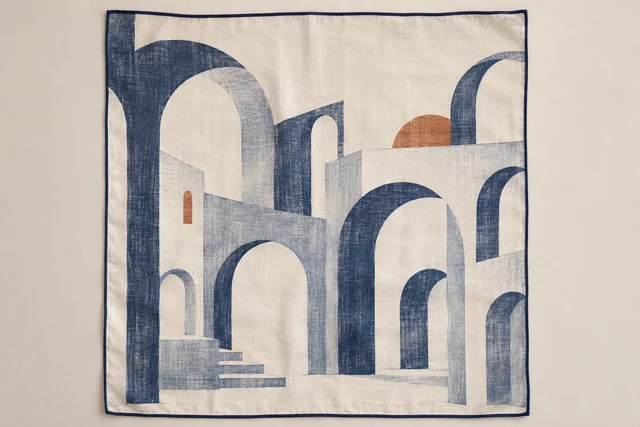
Use one row per sellable variant. A scarf offered in two sizes or two colourways should be easy to identify at a glance, including which image belongs to each row. Give the buyer the finished dimensions, the fibre description and any useful construction details, such as twill and the edge finish. A thumbnail of the full design helps the buyer see the layout, while a second view can show the border, fabric or presentation that would arrive. If an image shows an early prototype, describe its status alongside the image and say which details are subject to approval.
Write down how the item comes to the shop. Specify whether the quoted wholesale price includes a sleeve, box, care label, hangtag or story card, and which details are still to be agreed. The store may want to review a shelf-ready sample, while your supplier may have quoted the textile alone. Clarify that difference before you offer a packaged price. For a museum-specific story card, the final wording, credit and permissions can be handled in a separate approval step. Museum scarf story cards and packaging
A line sheet also needs terms a buyer can read without calling for every detail. Record the wholesale price and currency, the basis for shipping charges, the opening-order minimum and any different reorder minimum. If the shop requests a suggested retail price, supply one you have set for that market. An opening-order minimum could refer to a value across the order, while your scarf supplier’s production minimum could apply to a specific design or colourway. Check each unit of measure before copying a number. Bullock’s instructions explicitly ask vendors to state their opening and reorder minimums. Bullock new vendor inquiries
Date the sheet and give each revision a clear name. A buyer may reopen the same file while preparing an order for a later exhibition. If a colourway is discontinued or the package changes, update the image and the corresponding row together so the buyer can see exactly what the new offer includes.
Get the facts from the right person
Ask the scarf supplier to confirm the material, finished size, edge, packaging scope, sample cost and availability of the exact design and variant. For an existing design, ask when availability was checked and what is required to reserve or replenish it. For a made-to-order scarf, ask which approvals start the clock and whether the estimate describes dispatch or arrival. A prototype sitting on your desk and a production slot confirmed for a buyer are two different milestones.
Your brand sets the offer to the museum. Keep your wholesale price, terms and contact information in the line sheet. Keep your supplier quote and internal costing in your own records. Check that your product photographs, artwork and credits are cleared for the submission and for any later retail use you are offering. If a buyer wants an exclusive colourway, separate that request from the initial offer and agree which product, territory, channel and period it would cover before putting it on paper. Artwork files and usage rights
For SCARFTEX enquiries, share the scarf format, intended use, target quantity, artwork status and packaging requirements. Product details and packaging configuration are confirmed per order, and sample fees and approvals are discussed for the project. If you plan to offer an existing design, ask about the specific SKU and current terms before listing it as available. Compare ready stock and custom sourcing · Discuss a scarf project
Decide whether the first submission needs a physical sample
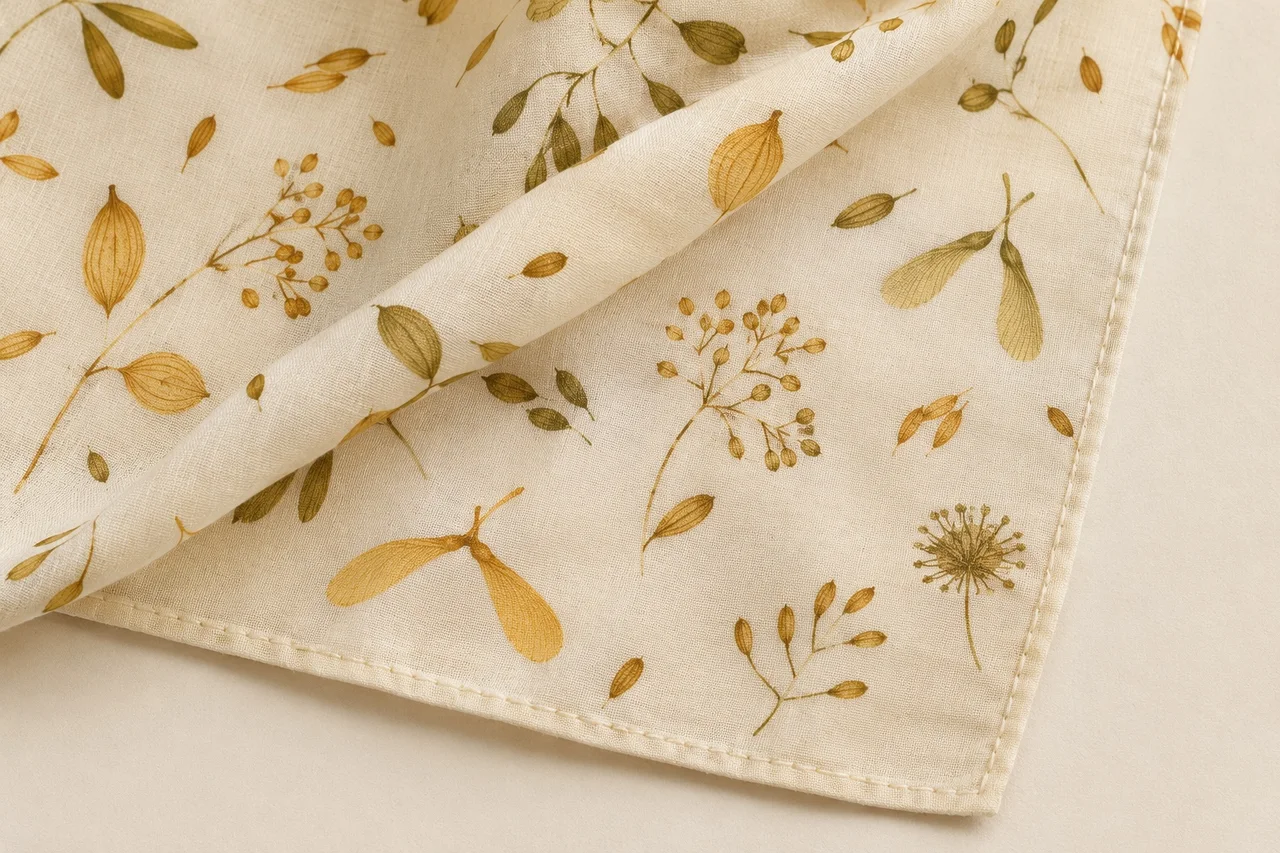
A review image can show the design and help a shop decide whether the range belongs in its assortment. A physical sample can answer questions about the hand, drape, stitching, fold and the finished presentation. Check which decision the shop is making at this point. If it starts with a digital review, complete the submission and keep your sample available for the next step. Wadsworth and Santa Barbara both say to send samples only when specifically requested. Wadsworth vendor submissions · Santa Barbara vendor submissions
If the shop offers a physical sample as an option, confirm which SKU it wants, how the sample should be packaged and what happens to it afterwards. Bullock, for example, accepts a complete packaged sample or certain alternatives and sets conditions for returns. Check whether a return label or prior arrangement is needed before sending the only approval sample you have. If the shop does request a sample, include a copy of the relevant line-sheet row so the buyer can match the piece to the orderable item. Bullock sample submission instructions
A line-sheet row and a sample decision to fill in
| Line-sheet field | What to enter |
|---|---|
| Sellable item | SKU, name, design, colourway, finished size and approved image link |
| Product details | Confirmed fibre, fabric construction, edge finish and care information as applicable |
| Presentation | Retail pack, included label or card, and status of any buyer-specific artwork |
| Wholesale offer | Price, currency, opening-order minimum, reorder minimum and shipping basis |
| Availability | Stock checked on a named date or made-to-order status, estimated timing and the conditions that start it |
| Rights and contact | Credit or permission reference, offer date, ordering contact and validity as applicable |
| Submission stage | Sample decision |
|---|---|
| Digital first or no unsolicited samples | Send the requested form and files. Hold the sample until invited. |
| Physical sample accepted as an option | Decide whether a catalogue or images answer the initial review. Confirm sample and return terms if sending. |
| Sample requested | Match the approved SKU and pack, confirm recipient and any return arrangements, and record what was sent. |
Frequently asked questions
Can I submit a scarf range before I know the opening quantity?
You can present the range if the store accepts proposals at that stage. Mark the supply basis clearly and confirm the minimum and timing with your supplier before making a commitment. Ask the store for its likely opening quantity if it is ready to share one.
Should I send a prototype or the retail-ready version?
Follow the buyer’s request. If the buyer is assessing shelf presentation, the scarf, label, fold and packaging should reflect what you are offering. Point out anything still subject to approval. When the decision is only about print or fabric, ask whether a narrower sample is acceptable.
Can I include a studio mockup in a line sheet?
Use it only where the shop accepts that kind of image. Identify it as a mockup and state which details have yet to be confirmed. If the shop wants photographs of the actual product, prepare images of the relevant sample or finished SKU.
What if I am unsure whether I can replenish an existing design?
Mark replenishment as subject to confirmation. Ask the supplier about the exact SKU, the current availability date and whether the same fabric, print and packaging can be repeated. Update the line sheet when the answer is confirmed.
Should I put a retail price on the sheet?
Follow the store’s requested format. If it asks for a suggested retail price, state the market and currency and keep it separate from the price the shop would pay you. Review both if your packaging or supply assumptions change.
What should I ask SCARFTEX for before I submit?
Share the intended quantities, formats and target sales channel, then ask which finished specifications, package components and sample options can be confirmed for the project. Identify any photography or artwork you plan to use so the relevant permissions can be checked. Start a project brief