Create a dedicated narrow layout. Check motif repeat, logo visibility, seam alignment and the orientation of both tips after tying.
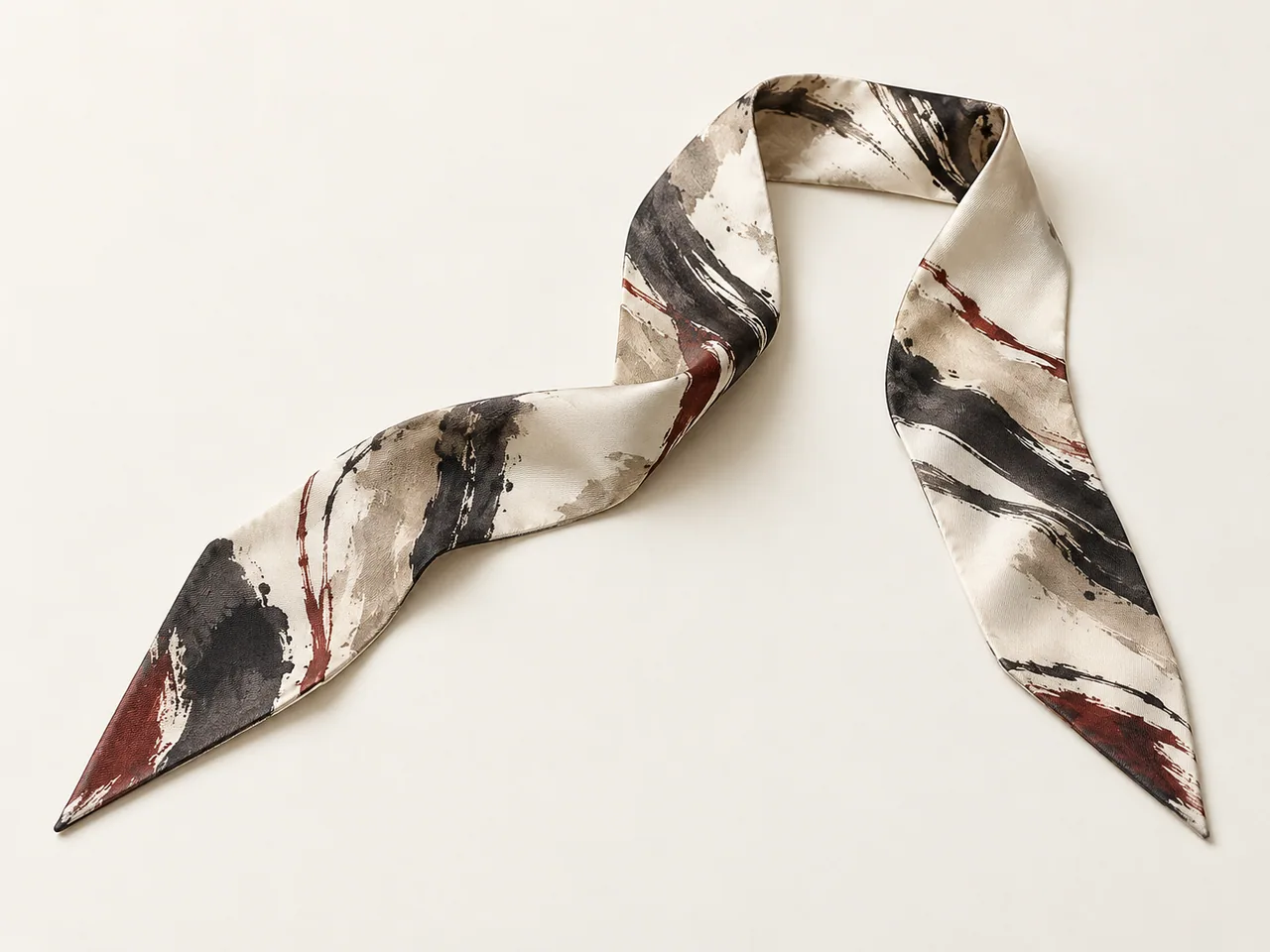
Review the complete artwork, the visible area after folding or wearing, and the print and edge direction together.
FS-TW-01 / Narrow
Twilly & bag-handle ribbon
A narrow format for bag handles, hair, wrist, slim neck styling and compact gifting. Use this page to compare indicative sizes, material lines, print and edge directions before requesting a project-specific sample and quotation.
Custom minimum50 pcs / style / colour
Material lineSilk · Polyester
ApprovalProject-specific sample
Build a working specification
01 Nominal format size
Current brief5 × 70 cm·Please recommend·Please recommend
Available nominal double-layer narrow formats. Final length, width, tip, cut allowance and tolerance are agreed per order. Double-layer construction does not establish double-sided printing.
Custom scarf MOQ: 50 pieces per style, per colourway for custom silk and polyester scarves. Different styles or colourways are not automatically combined.
- Material lines
- Silk · Polyester
- Uses
- Bag handle · Hair · Wrist · Slim neck scarf
- Composition
- Silk and polyester are available as separate product lines; the final fibre declaration is stated for the selected specification.
- Weight
- Selected with the chosen single- or double-layer construction and confirmed by sample.
- Print direction
- Motif repeat, logo position, tip shape and the visible face after tying need artwork review.
- Edge directions
- Hand-rolled where compatible · Machine hem / sewn construction
- Brand & pack-out
- Logo within artwork · Care or woven label where scale permits · Hangtag · Sleeve or gift box
Specification checkpoints
These points are confirmed in the project brief, quotation and relevant sample before production.
- Exact proportion and tip construction
- Single- or double-layer construction
- Selected fibre and weight
- Print alignment
- Packaging minimums, sample route, price and bulk schedule
The product decision studio
Feel the difference.
Specify what matters.
Build a direction around use, fabric and finish. These are preferences for quotation, not an approved specification. Open decisions can stay open.
Surface study / Twill
Texture. Structure. A considered fold.
A diagonal weave texture; lustre depends on the selected fabric and finish.
5 × 70 cm · common scale, longest side shown horizontally. Nominal outline only, not a fabric simulation.
Small width. Exact placement.
Measure the handle, wrist or hair styling requirement before selecting length and width. Usable wrapping length differs from the end-to-end flat length.
Use: Graphic squares, neck styling and narrow accessories where fold behaviour matters.
Check on sample: Fold, tie and inspect the face and reverse of an identified printed sample.
06 / Your working direction
5 × 70 cm; Please recommend; Edge: Please recommend
Custom scarf MOQ: 50 pieces per style, per colourway. Separate packaging minimums and feasibility to confirm.No enquiry is sent here. Selections stay in memory unless you opt into a local draft. The enquiry URL carries these choices so they can be reviewed after refresh.
Specify finished width, end-to-end length, tip shape and seam position. A double-layer sewn format requires its own pattern and allowances.
Confirmed custom silk-twill directions include 14 and 16 momme. Layer construction affects thickness; fabric weight alone does not describe the assembled twilly.
Approve both tips, the seam, turning quality and the wrapped result. Double-layer construction does not mean double-sided printing.
Compare surface, hand feel, drape, transparency and print
Swipe or scroll horizontally to compare →
| Direction | Surface & hand feel | Drape & coverage | Artwork & sample decision |
|---|---|---|---|
| Twill | A diagonal weave texture; lustre depends on the selected fabric and finish. A more defined fold can suit a graphic square. Compare the actual swatch rather than assuming every twill has the same firmness. | Review knot bulk and how the corners fall in the intended size. Weight, yarns, density and colour all affect coverage; “twill” alone does not establish opacity. | Review fine outlines across the texture and check the border on both the flat and folded scarf. Fold, tie and inspect the face and reverse of an identified printed sample. |
| Satin / charmeuse | A smoother, more reflective face; the reverse can look different. Compare surface smoothness and slippage in the actual use. Satin names a weave direction, not a fibre. | Fluid-looking folds can support a dressier presentation; the selected weight and finishing still control the result. A lustrous face is not an opacity guarantee. Check one layer over a contrasting background. | Reflections can change how a colour reads. Review the print in consistent lighting and from more than one angle. Compare the face, reverse, knot hold and colour in the lighting relevant to your product. |
| Chiffon | A light, translucent direction, rather than the dense visual surface of an opaque scarf. Evaluate lightness and texture on the chosen swatch; a screen cannot establish softness. | Test the fall as a single layer and after folding. More layers alter both coverage and apparent colour. Consider whether show-through is desirable. A headwrap or shoulder cover needs a use-specific coverage check. | Look at the print against light and dark backgrounds; a transparent base changes its appearance. Request a swatch first. Confirm available construction, weight, print route and stable edge before development. |
| Georgette | A fine-grained crepe direction. Texture and lustre vary with yarns, construction and finish. Compare the surface against the intended skin contact and styling; a trade name does not fix hand feel. | Evaluate the fall and recovery after tying on the selected fabric, not on another crepe sample. Do not infer coverage from the name. Check the chosen weight and colour in the intended layer count. | Check small marks and logo edges on the textured surface before approving a full layout. Confirm the actual fabric reference, print detail, transparency and edge compatibility on a sample. |
From preference to approval
Connected decisions.
One coherent specification.
Read the full silk specification guide ↗01Artwork needs a finished outline, not an automatic crop
Start from the finished format, then agree the print template, cut outline, hem allowance and safe area. Keep important logos away from areas lost in a roll, seam, fold or knot. Prepare a separate layout for a square, long scarf and twilly—even when they share one artwork system.
Bring the original editable artwork or a suitable high-resolution file, its intended scale and your colour references. Agree the usable file and print dimensions with the development team before sampling. Review small text, line thickness, border alignment and both ends or all corners on the relevant sample.
Plan artwork development ↗02The edge changes touch, corners and finished size
A hand-rolled direction creates a rounded edge; a machine-hem direction has a visible fold and stitch line. The fabric, thread, width of the roll or fold, corners and handling determine the actual result. Neither name is a universal quality guarantee.
Compare an identified edge on the chosen fabric. Check evenness, stitch appearance, loose threads, puckering and corner bulk. Agree the finished measurement after edging: cut dimensions and finished dimensions are not interchangeable. A twilly’s tip and sewn seam need separate construction approval.
Review edge finishing ↗03Use the right sample before committing to bulk
Use a fabric swatch to select hand feel and weight; an existing product reference to discuss construction; a print trial to assess artwork and colour; and a finished prototype to review the complete specification. One sample does not automatically approve all of these decisions. Fees, schedule, start conditions and shipping scope are written into the sample brief.
For custom silk and polyester scarves, the minimum is 50 pieces per style, per colourway—not a mixed total across designs. Standard bulk production normally takes 7–14 calendar days after final artwork and specifications, sample approval and receipt of the agreed deposit. Transport is excluded; the final schedule is agreed per order. Exact ready-stock designs and dimensions follow a separate dated SKU availability check.
Choose the sample route ↗Display sample & order scope
See what is shown.
Then define what is ordered.
The display direction and the order specification are deliberately separated. The display image is a product-development reference; the written specification and approved physical sample control the order.
Display sample direction
- Complete narrow-scarf proportion
- Double-layer construction direction
- Pointed-tip and seam direction
- Actual fibre, layer alignment, print and finish require sample approval
Selectable project range
- 5 × 70 cm / 5 × 86 cm / 5 × 90 cm / 5 × 100 cm / 6 × 120 cm / 5.5 × 120 cm nominal directions
- Silk or polyester material line
- Single- or double-layer construction
- Repeat, logo and tip artwork placement
- Label, sleeve or gift box
Material & construction
Specify every surface
and hidden layer.
Silk and polyester are available as separate product lines; the final fibre declaration is stated for the selected specification.
Selected with the chosen single- or double-layer construction and confirmed by sample.
- 01
Finished width, length and tip symmetry
- 02
Layer and seam alignment
- 03
Visible faces and print placement
- 04
Twisting, knot bulk and recovery after tying
Two ways to begin
From artwork.
Or from inspiration.
recompose supplied artwork for the long narrow path
Start this routedevelop a bag, hair or neck accessory direction from the collection brief
Start this routeBranding, packaging & range extension
Carry one product language
through the presentation.
- Logo within artwork
- Care or woven label where scale permits
- Hangtag
- Sleeve or gift box
Commercial framework
What the quotation needs to fix.
50 pieces
50 pieces per style, per colourway for custom silk and polyester scarves. Different styles or colourways are not automatically combined.
Confirmed per project
Sampling starts once project details are confirmed and the sample fee has been received. The exact sample type, day basis, delivery treatment and schedule are written into the sample brief.
Normally 7–14 days
Bulk production normally takes 7–14 calendar days after final artwork and specifications, sample approval and receipt of the agreed deposit; transport is excluded and the order agreement sets the final schedule.
Related collaboration stories
See how an initial reference
became a resolved direction.
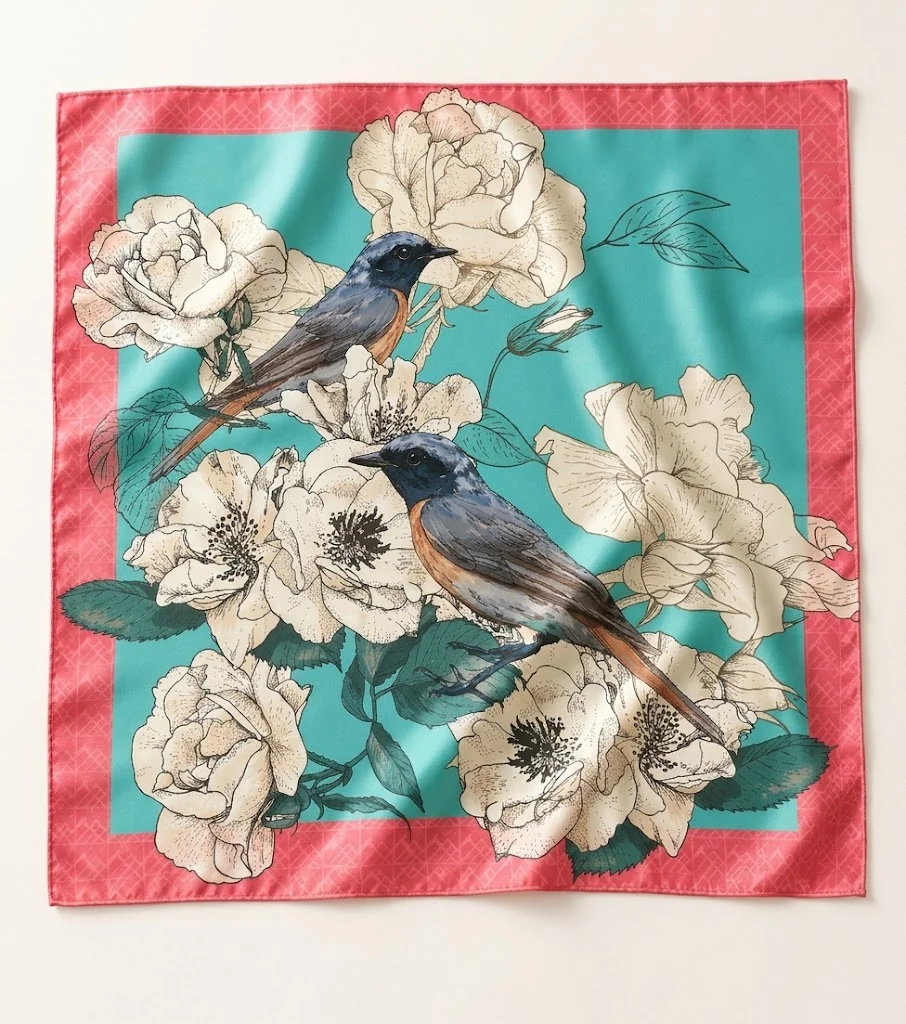 Selected collaboration
Painted Garden
Development priorities connect colour calibration, fine-line separation, a silk-twill direction and separately approved scarf and accessory samples.
Read the project story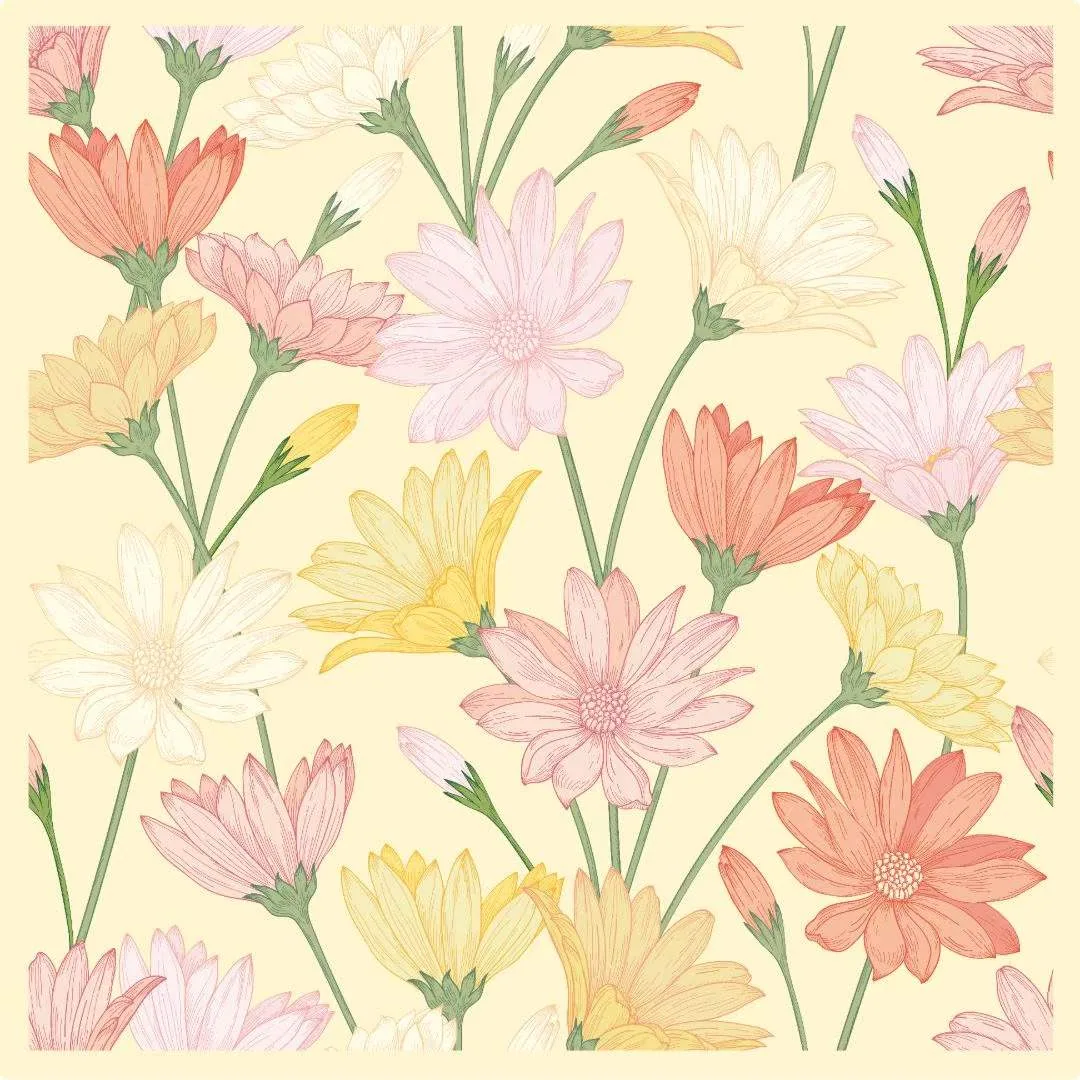 Selected collaboration
Botanical Notes
A shared drawing, colour and border system gave several floral focal points a family resemblance without making the SKUs interchangeable.
Read the project storyBuyer selection guide
Choose, specify and approve the product.
Specify the narrow format as a constructed product
A twilly is not simply a long crop of square-scarf artwork. Width, length, tip shape, layer construction and seam or edge route determine how it wraps a bag handle, ties in hair or sits at the neck. Current nominal directions are 5 × 70 cm / 5 × 86 cm / 5 × 90 cm / 5 × 100 cm / 6 × 120 cm / 5.5 × 120 cm. State which use is primary and whether the full length, centre or tips should carry the key motif.
Double-layer is a construction direction, not proof of double-sided printing. The two visible faces, seam placement, tip symmetry and bulk at the knot should be defined separately. Fibre, construction and weight remain specification choices for both silk and polyester lines.
Recompose artwork for a long, narrow path
A square composition usually fails when squeezed into a narrow strip. Build a repeat or directional sequence for the finished proportion. Place logos where they remain visible after wrapping, and check whether the two tips should match, mirror or deliberately differ. Protect the stitch or turn area once the template is known.
For a bag-handle application, test the artwork at the wrap interval: only short sections may be visible at one time. For hair or neck use, review the centre knot and both hanging ends. Approve a complete production layout rather than a decorative crop shown only in a mock-up.
Check construction and pack-out together
Sampling should confirm finished width and length, tip shape, layer alignment, seam or hem consistency, twisting, colour placement and how the product recovers after tying. If a label is required, verify that its size and attachment do not create bulk or interfere with use. Compact sleeves or gift boxes need a folding method that does not permanently crease the visible tips.
Custom silk and polyester scarves use the confirmed 50-piece minimum per style, per colourway. Special packaging can have its own construction and minimum conditions, so request separate written confirmation for each packaging component.
Product FAQ
Before you add it to the brief.
What is the minimum order?
50 pieces per style, per colourway for custom silk and polyester scarves. Different styles or colourways are not automatically combined.
Can one order include several designs?
Yes, it can be quoted as one programme, but quantity, minimum, sample, price and approval remain visible by product, construction, design and colourway. They are not automatically combined.
Is a twilly always double layer?
No universal construction is assumed. Specify single or double layer, visible faces, seam or edge route and weight for the selected product.
Can square artwork be cropped into a twilly?
Use the same visual language if desired, but recompose it for the narrow proportion. Automatic cropping can remove the focal motif and create awkward repeats.
Where should a logo go on a bag-handle ribbon?
Choose the position after mapping the wrap interval and visible tips. Approve it on a finished-size layout and representative sample.
Do packaging minimums match the scarf MOQ?
Not necessarily. The scarf minimum is 50 pieces per style, per colourway; labels and packaging components have their own minimums, confirmed separately.
Compare scarf formats
One collection language.
Different proportions.
Move between formats without assuming that artwork, dimensions or construction can be copied unchanged.
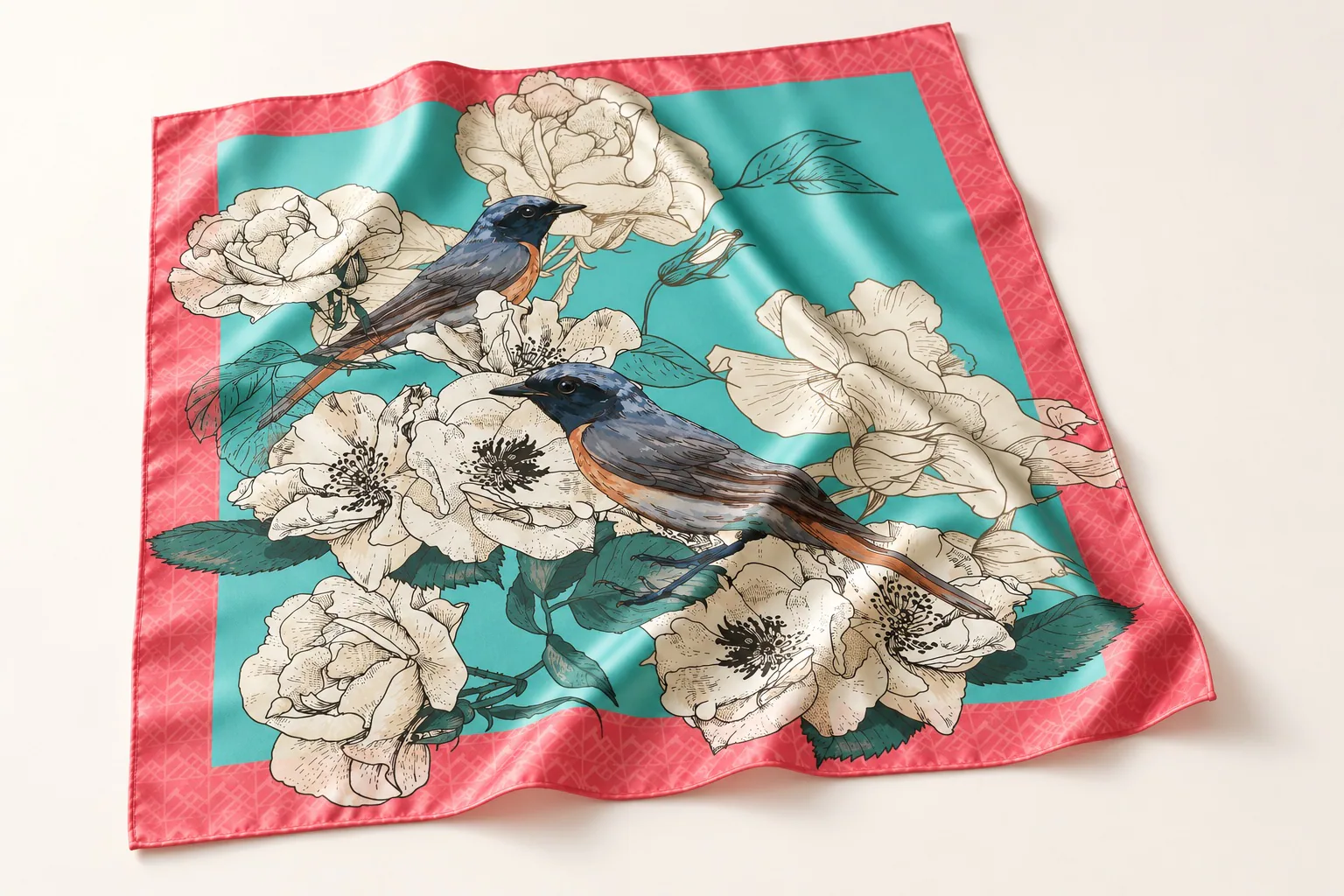 Square
Custom square silk scarf
45 × 45 cm · 50 × 50 cm · 53 × 53 cm · 55 × 55 cm · 65 × 65 cm · 70 × 70 cm · 88 × 88 cm · 90 × 90 cm · 100 × 100 cm · 130 × 130 cm
Review this format ↗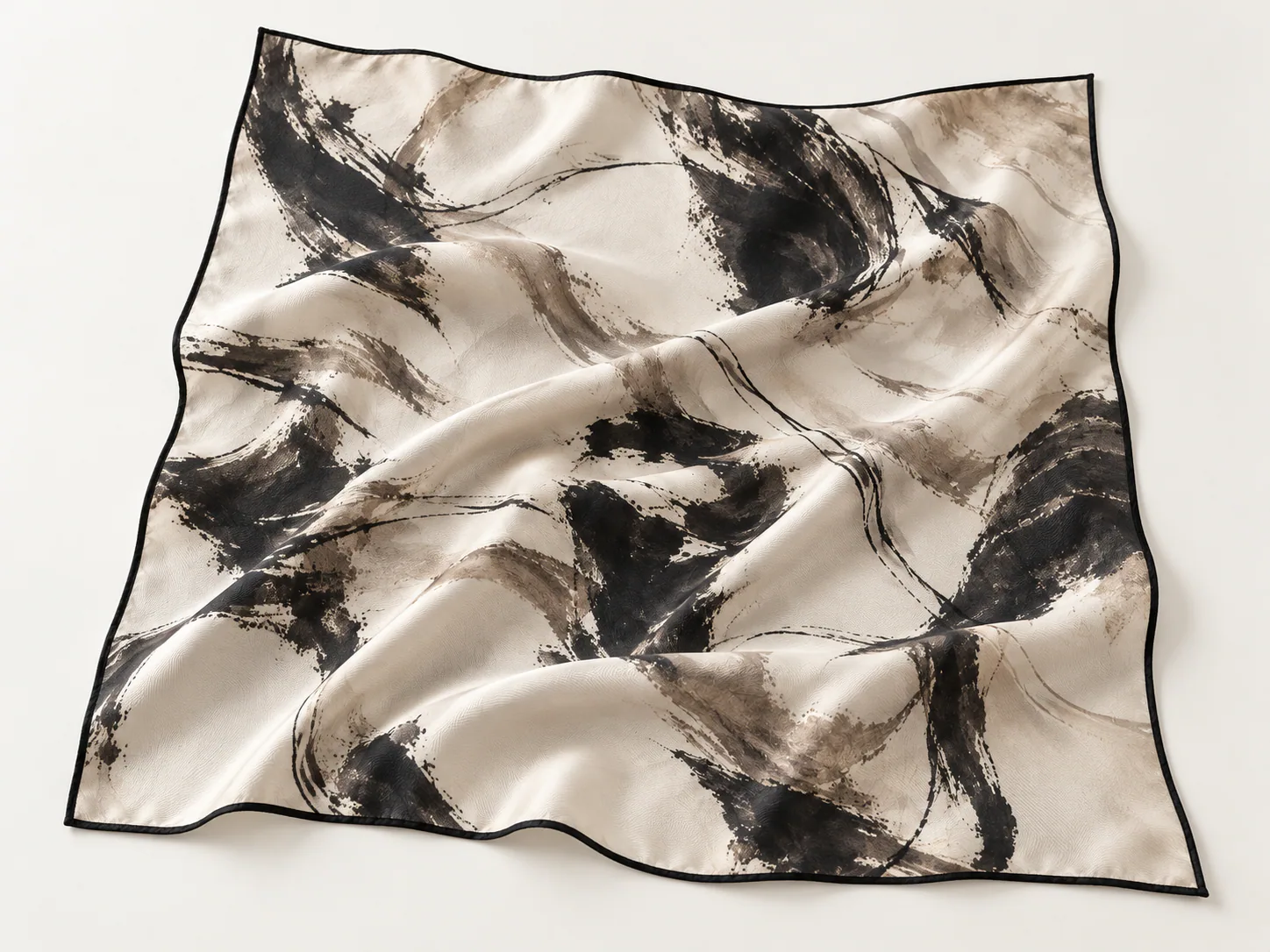 Large square
 & headwrap
88 × 88 cm · 90 × 90 cm · 100 × 100 cm · 130 × 130 cm
Review this format ↗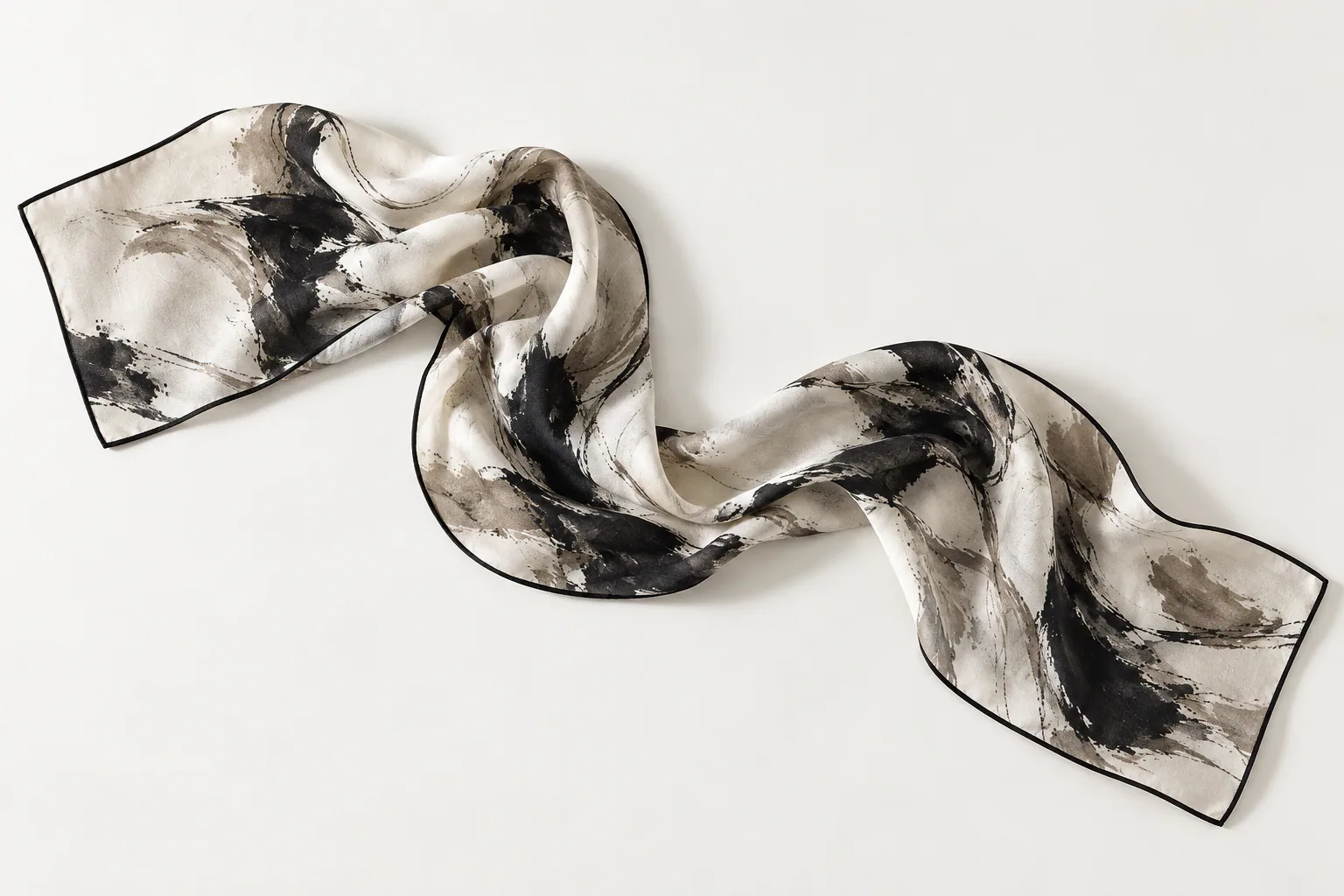 Long / wrap
Long scarf, shawl & wrap
110 × 42 cm · 130 × 170 cm · 180 × 70 cm · 200 × 65 cm · 70 × 180 cm
Review this format ↗